Solutions
Platform
Customers
Resources
Solutions
Platform
Resources

Let’s get honest: most brands obsess over surface-level metrics. Vanity numbers like likes, comments, and influencer engagement rates might look impressive in a pitch deck, but these metrics are almost useless for DTC growth. The fundamental error is treating fleeting attention as revenue-driving action. Far too many marketers still default to “engagement” because it’s available and easy to share, not because it tells you anything meaningful about the bottom line.
Here’s the real disconnect: traditional influencer platforms are built for impressions, not outcomes. They measure what is easy to count, not what moves inventory or grows retention. These tools stop at post-campaign reports that tally reach, engagement rate (“insert benchmark here”), and sometimes sentiment - all proxies, never proof, for actual sales lift or new customer acquisition. So while marketing teams celebrate engagement spikes, finance is left asking a tougher question: did the campaign actually make money?
At The Cirqle, we called the industry bluff. When we defined the Creator Performance Era, we shifted focus from influencer popularity to tangible performance - tracking and attributing incremental sales, conversion rates, and true bottom-of-funnel activity back to every creator, every campaign. This isn’t about admiring the echo chamber of social buzz. It’s about proving which creators actually generate checkouts, repeat buyers, and real revenue growth.
CMOs and Heads of Growth need to set a higher bar. Actionable ROI (the concrete ability to measure exactly how influencer spend turns into Shopify checkouts or lifetime customer value) is now the bare minimum. Anything less is marketing on hope, not data. Stop settling for legacy dashboards that track applause instead of purchases. Start demanding tech that ties influencer content directly to granular outcomes - attribution so clear you can justify every dollar deployed.
The growth leaders already know: influence is only valuable if it’s directly measurable. If your influencer software can’t pinpoint how creators contribute to profit, you’re still operating in the dark.
If your influencer dashboard is littered with “likes,” generic reach numbers, and a jumbled CPM report, you’re not measuring what matters. High-fidelity influencer ROI boils down to one thing: did this creator move the needle on revenue, profitably? Most brands claim to track performance - very few have the data muscle to back it up.
Let’s get precise. True bottom-funnel metrics are the foundation of accountable influencer strategy. Start with sales lift: is there a measurable increase in revenue attributable to your influencer partnerships, not just overall site traffic? If you’re not tying influencer touchpoints to incremental sales, you’re steering blind. Next, go deeper with CAC: what is your actual cost per newly acquired customer from influencer campaigns versus your other paid channels? If your software can’t spit out influencer-specific CAC, you don’t have performance data - you have reporting theater. ROAS belongs in the core toolkit as well. Measure the real return on every dollar invested, factoring in influencer payouts, product seeding, and paid amplification. Finally, net new customer acquisition: how many first-time buyers did your creator activation bring through the door? In DTC, sustainable scale lives and dies by new customer flow.
You can’t get there with third-party data wrangling or imprecise platform exports. High-fidelity ROI requires hardened first-party data. This means direct integration with your ecommerce stack - not relying on wishful pixel data or broad social analytics. Software must connect at the cart and order-level, closing the feedback loop between a creator’s content and a purchase event. Brands that use direct tracking rails (unique codes, whitelisted links, API-connected sales tracking) see a radically clearer attribution picture, enabling fast iteration and real-time optimization.
Data volume is a vanity metric. Insight velocity is the north star. The best influencer ROI platforms don’t drown teams in exported spreadsheets. Instead, they surface time-to-value insights - actionable dashboards that answer “what’s working” in seconds, not weeks. Formatting matters: real dashboards clarify, not confuse. Don’t settle for raw exports or “data galleries.” If your dashboard can’t help you kill underperforming spend or double-down on high-ROAS creators on a Monday morning, it’s wasting your time.
The most common measurement blind spots are lethal to ROI clarity. Don’t ignore incrementality: can you separate sales that would have happened anyway from genuine uplift driven by influencer exposure? Simple pre/post-period lifts are not enough - you need models that account for cannibalization and overlap. Attribution scope is another pitfall. Brands that measure only post-click conversions miss upwards of half the influence cycle. Post-view attribution complements post-click to reveal the real world path to purchase, especially for upper-funnel creators. If your metrics can’t disambiguate “saw it, bought it later” from “clicked and converted,” your optimization is pure guesswork.
Most brands still optimize influencer with legacy social metrics. The Cirqle’s performance-driven clients treat creators as a trackable acquisition channel, rooting out the noise and surfacing true bottom-line drivers. That’s the anatomy of ROI you’ll actually use.
Ads Creation with Influencers from The Cirqle lets you launch influencer-driven ads in one click, across every major social network, with AI-powered caption variations that optimize for engagement and conversions. Manage bulk ad creation, track results in real time, and streamline creative workflows - all from a single interface. For a closer look at seamless influencer ad execution, learn how it works.

CMOs at high-growth brands have zero patience for vanity dashboards or muddled metrics. The highest-performing DTC marketing teams now reject any tool that can't connect the dots - proving exactly which influencer drove which order, right down to SKU, margin, and multi-touch journey. World-class software must bridge the gap between campaign activity and actual revenue. Vague click-based attribution doesn't cut it anymore. You need a transparent, verifiable link from creator content to final purchase - so you can double down on what’s working and cut what’s wasted.
Executive fluency is non-negotiable. It’s not enough for ROI to live buried in a specialist’s tool. Reports must be instantly digestible, visually sharp, and ready to share - tailored for board decks, top-line business reviews, or rapid pivots in campaign spend. The brands shaping the next phase of DTC growth require one-click exports, custom views for finance and leadership, and reporting logic that aligns directly with business KPIs. Attribution isn’t just data; it’s decision fuel.
Seamless integration with the rest of your stack is table stakes. Disconnected tools shatter your view of the true customer journey and create friction for both marketers and data teams. Leading brands demand native connections with Shopify for order-level attribution, Google Analytics for cross-channel triangulation, Meta and TikTok for paid amplification, and Klaviyo for downstream measurement like email triggers and retention. If your attribution isn’t frictionless with your core platforms, it’s a liability.
The strategic momentum has shifted to always-on creator ad amplification - turning influencer content into persistent paid assets, not just fleeting organic posts. Attribution systems must handle this new reality, tracking creative performance across dark posts, whitelisted ads, boosted stories, and UGC variants. You need line-of-sight into which creator asset converts, at what cost, over time, and how this evolves as media budget flows in.
Reliability isn’t an afterthought; it’s the bedrock. Leading software brings real-time fraud detection to halt bad actors before budget leaks and deploys predictive pacing so spend never outstrips results. Spend controls and live guardrails are essential for the CMO or Head of Growth who can’t afford surprises - because influencer marketing should work with the same rigor and safeguards as any other digital channel.
Technology partners must earn your trust through verifiable results, native connections, and controls that reflect how your team actually runs. Brands who win the ROI game choose platforms focused on clarity, control, and end-to-end linkage - not pretty dashboards with zero muscle behind them.
Too many attribution vendors pitch their multi-touch models as gospel for influencer ROI, but here’s the truth: most of it is smoke and mirrors. Multi-touch attribution is fundamentally misaligned with the influencer channel. The illusion of scientific certainty comes from allocating credit to touchpoints just because they can be measured - not because they actually drove the sale. When an influencer introduces a product in-feed, that exposure is both fleeting and noisy; cookies and pixels can’t distinguish between genuine influence and background algorithmic exposure from other marketing.
Promo code tracking is no silver bullet, either. It’s easy to see a spike in redemptions and claim airtight precision - until you realize promo codes drastically undercount broader impact. Friends and family use the code. Some buyers forget it at checkout. Smart shoppers hunt for leaked codes on coupon sites. Worse, many valuable conversions happen weeks later, or after multiple organic brand touches that tracking simply ignores. Brands obsess over promo codes, but in doing so, they miss the full scope of influence - and often confuse clean data with complete data.
Most tools double down on overstating upper-funnel “halo effects” as well. Attribution dashboards will assign disproportionate value to impressions, reach, and engagement without rigorous controls. The result: marketers are lulled by inflated lift reports that conflate awareness with true incrementality. Earned media value and CPM analogs sound impressive but, without real-world calibration, they invite a dangerous sense of ROI security.
To cut through the noise, prioritize incrementality measurement: run creator campaigns as geographic, audience, or time-based holdouts. Use matched-market tests or sequential rollouts to isolate net new revenue from creator efforts. Demand methodologies that show what actually changes when creators enter the marketing mix - not just movements in multi-touch dashboards or code redemption reports. Transparent, causal tests will reveal the true ROI and keep budget grounded in reality, not upper-funnel mirages.
Brands chasing the next big thing in influencer marketing forget the point: creators drive business, not vanity metrics. Years ago, we noticed a different pattern. Marketers tolerated tracking black holes and broken attribution. Influencers produced content, but nobody could tie real purchase outcomes to creator activity, at scale. This fundamental disconnect led us to architect The Cirqle’s creator-first ROI operating system. We didn't iterate on an old playbook. We threw it out.
Our journey started with a simple but contrarian hypothesis: treat creators not as mere media assets but as individually trackable, performance-driven growth partners. That meant engineering true conversion-level tracking from the ground up - no more extrapolations from engagement rates or guesswork through manual UTM chaos. Only cold, verifiable revenue data linked straight to the influencer and campaign. Today, this is table stakes, but The Cirqle pioneered seamless, privacy-safe, multi-touch attribution pipelines that actually work in an increasingly cookieless world.
Automation was next. Most influencer platforms still expect brands to brute-force campaign setup, manual link sharing, and repetitive comms. We built frictionless campaign setup, dynamic creator onboarding, and effortless tracking code deployment. Every creator, every SKU, every touchpoint (powered by automated flows and event-based triggers. No more spreadsheet marathons to match codes, content, and conversions. Marketing ops teams finally got their lives) and evenings - back.
But surface automation isn’t enough in the performance era. Paid media boosting is where The Cirqle gives ambitious brands an edge. Attribution doesn’t stop when organic reach hits the wall. Our system allows brands to spin up paid whitelisting straight out of creator content, layering performance data to squeeze maximum ROAS across organic and paid channels. Forward-thinking DTC brands now budget creator-led assets not just for organic tests, but as the backbone of scalable paid investment - closing the loop from content to conversion, all under one roof.
The outcomes speak for themselves. One DTC health brand leveraged The Cirqle to triple their monthly creator-driven revenue in less than one quarter. A fashion retailer broke out of stagnant acquisition costs by identifying the top 2% of creators and scaling their content into high-converting paid media - lifting paid ROAS by “insert benchmark here”. These aren’t vanity metrics; they’re boardroom outcomes.
What truly sets The Cirqle’s system apart is relentless iteration. We operate in live feedback cycles with power users - marketers with zero patience for analytics fluff. New product features are shaped by real-world use cases, pressure-tested by brands who can’t risk their budgets on theory. Most platforms toss dashboards over the wall and hope adoption follows. We build and ship based on operator-level feedback from the best-in-class brands, knowing that what serves these leaders today defines what works for everyone else tomorrow.
Imitators patch old software with shiny dashboards and call it innovation. We architected the only system that compounds influence into measurable business growth, for brands serious about ROI.
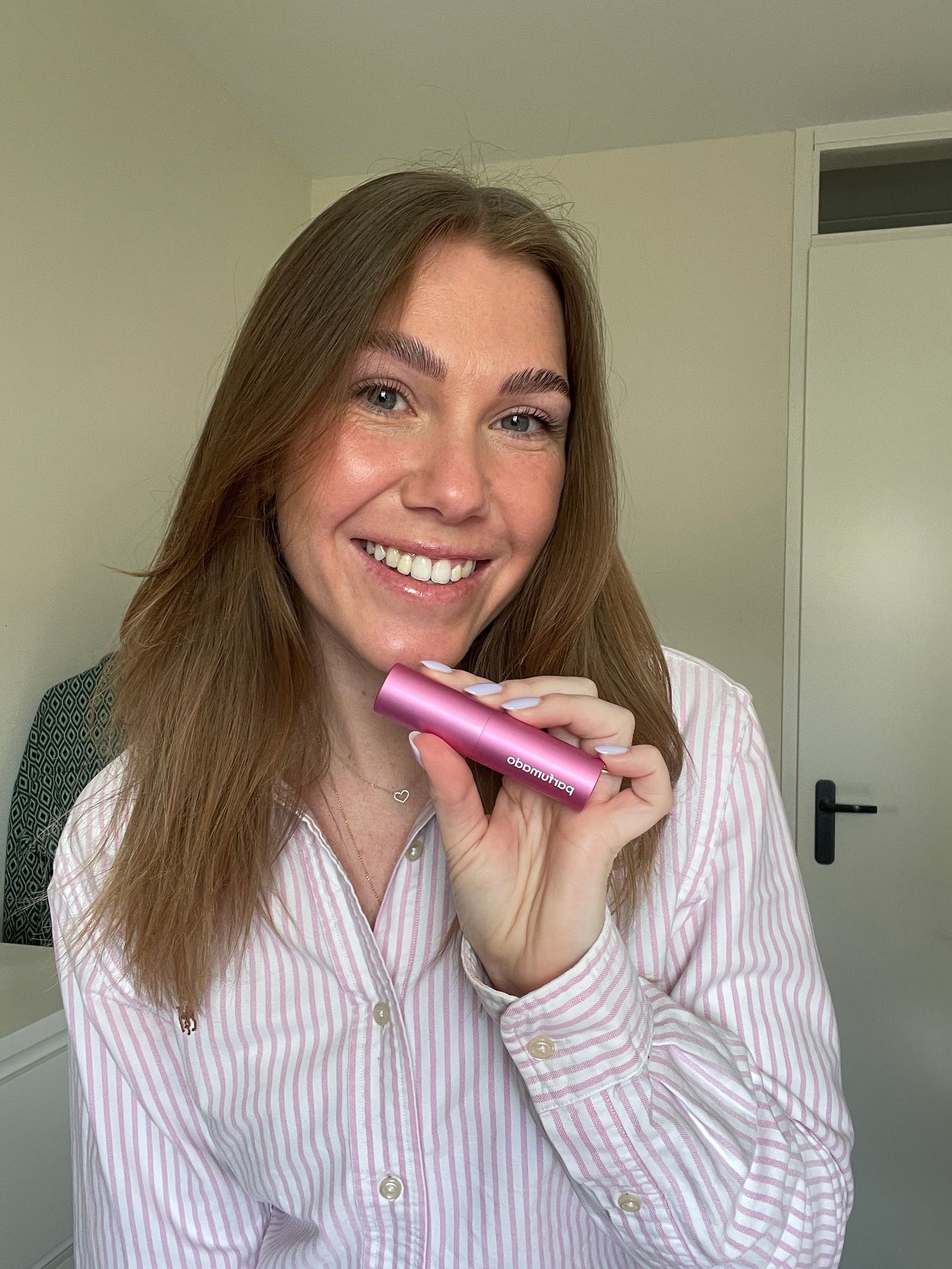
Case in point. Parfumado didn’t just experiment with influencer marketing (they partnered with The Cirqle to operationalize it as a quantifiable acquisition channel. Within the first month, their CPA dropped by 20 percent) a clear performance delta, not just a bump in influencer ‘buzz.’ The Cirqle’s platform enabled the Parfumado team to layer paid partnership ads on top of creator-led content, scaling both spend and impact in real time. This wasn’t about vanity impressions; it was all about measurable results, rapid scaling, and hard cost efficiencies - all key ingredients for true ecommerce performance growth.
Case in point. Opatra cut through the inefficiencies of old-school influencer marketing by deploying The Cirqle’s platform for full-stack campaign management. The platform’s built-in rate negotiation feature alone delivered over £13,000 in cost savings, immediately flipping influencer spend from a guessing game to a bottom-line asset. Using real data to select creators, Opatra hit their quality benchmarks without sinking hours into negotiations or risking subpar content. Streamlined workflows let their team move at speed, channeling every insight straight back into performance. With The Cirqle, influencer marketing became operationally sharp and financially accountable.

Forget the “influencer vanity metrics” trap - if it’s all impressions, likes, and ambiguous affiliate links, your stack is wasting budget and blurring the real picture. Start by auditing your influencer reporting tools. Kill anything that can’t tie content performance directly to either conversion events, incrementality, or ROI. If you can’t name the last time you logged into a platform or rewrote a campaign brief based on its insights, cut it. Your first move as a performance marketer is subtraction, not addition.
Next, deploy an attribution layer that’s built for creators - event-based, channel-agnostic, and seamlessly integrated with ecommerce. The Cirqle’s approach links every piece of creator content (organic or paid) to downstream actions: clicks, add-to-carts, purchases, and lifetime value. This isn’t last-click logic; it’s holistic, data-rich attribution, designed for the multichannel reality of DTC ecommerce. Skip the patchwork of UTM links and “influencer-specific” discount codes. Instead, insist that your technology gives you real-time event data, mapped at the creator, post, and platform level.
Contrary to conventional wisdom, don’t limit your analysis to organic influence. The highest-ROI DTC teams operationalize creator content as paid ads. Whitelist top performers and run creator ads natively from the influencer’s handle. Here’s the kicker: you’re buying iterative learnings, not just extra reach. The data loop gets dramatically richer - now you’re testing, reading, and optimizing creator assets at paid velocity. You can A/B test creator ads just as you do with native ads, finally elevating influencer marketing to the rigor of your core performance channels.
Link these paid activations straight to bottom-line revenue. Integrate creator campaign data with your ecommerce analytics. Track not only view-throughs and clicks, but incrementality: did the creator cohort drive genuine new customer lift, or did it cannibalize sales you would have netted anyway? Use post-purchase surveys to validate attribution, and measure repeat purchase rates to track true cohort quality.
Lastly, hardwire learnings into your growth motion. Every campaign should end with a debrief focused on incremental sales, best-performing creative, and channel-by-channel ROI. Institutionalize experimentation - document hypotheses, test designs, and post-mortems. View every dollar spent on creators as a controllable experiment: which formats, incentives, and platforms drive scalable profits, not just engagement?
With The Cirqle’s performance-driven approach, influencer marketing becomes a quantitative engine - iterative, attributable, and impossible to ignore in your daily dashboards. This is how the best DTC brands turn creator spend from a black box into their next dependable growth lever.
Stop tracking how much your team logs into your influencer ROI software just to please procurement. In analytics, ‘open rate’ isn’t about clicks - it’s about whether people actually use your tools to inform decisions week after week. Usage is value. If your reporting platform isn’t driving action, it’s dead weight on your stack.
Brands obsess over feature lists and integrations, yet most settle for dashboard shelfware. A cluttered solution with a thousand toggles may impress in a demo, but feature creep kills operational excellence. Your ROI doesn’t come from what your software can do in theory. It comes from what your marketers actually do with it. Put bluntly: a reporting platform your team doesn’t open (weekly) is a recurring sunk cost, not an investment.
Key indicators your ROI tracking is dysfunctional:
The solution: enforce a cadence of ruthless, simple performance reviews. Do not wait for end-of-campaign post-mortems. Build a habit: every week, your team checks creator, asset, and channel-level outcomes, then makes at least one concrete adjustment. Adopt the principle that a tool only earns its place in your stack if it shapes actions, not just reports results. True ROI stacks aren’t measured by login numbers - they’re measured by velocity of improvement.
Give your team the power and speed they need to find the right partners and grow your brand.
%201.avif)