Solutions
Platform
Customers
Resources
Solutions
Platform
Resources

Trying to scale influencer campaigns by hand is a guaranteed way to hit a wall. Brands chasing growth cannot afford to be glued to spreadsheets and emails when every week that passes in limbo is market share lost to faster-moving competition. The old agency toolkit (manual outreach, labor-intensive briefing, endless reconciliations) is not just slower, it is fundamentally incompatible with the demands of performance-driven influencer marketing.
One of the biggest chokepoints is talent sourcing. Brands still wrestling with DM threads or fragmented databases quickly find outreach limits their ambition. Even top teams unravel past 10 or 20 creators, as quality control erodes and key opportunities are missed. With every additional influencer, manual vetting and communication complexity compounds, grinding campaigns to a crawl. These inefficiencies sap resources from what matters most: analyzing ROI, optimizing creative, and building long-term creator relationships.
Briefing is just as vulnerable. Custom PDFs, manual follow-ups, version control - all multiply the noise and confusion as the creator count grows. Brands think they’re tailoring campaigns, but in reality, communication splinters, messaging gets diluted, and campaign alignment slips out of reach. When coordination looks like a game of telephone, you bleed hours without building repeatable, scalable muscle.
Reporting is where manual workflows completely collapse. Tracking performance on disparate spreadsheets guarantees errors and data lags. There’s no single source of truth, which means spend, ROI, and content rights are all guesswork. Brands stuck in this loop cannot answer simple questions like “which creator generated the cleanest CAC” or “where did our conversions spike last week” - leaving growth teams crawling in the dark while competitors fly past.
The real cost here isn’t just time, it’s stalled ambition. Every day spent juggling manual tasks is a day spent not testing audiences, not optimizing campaigns, and not building a competitive flywheel. Brands trying to scale influencer campaigns with manual processes are not just inefficient; they are fundamentally unscalable.
What most DTC brands miss is that scaling with creators demands a complete operational overhaul - not incremental fixes, but a shift to automated, systematized execution. Reliance on spreadsheets isn’t a badge of early-stage hustle. It’s an anchor. Any brand serious about winning in influencer performance must architect for automation, or risk irrelevance.
| Aspect | Manual Campaign Management | Automated Orchestration |
|---|---|---|
| Process Overview | Fragmented, handled across multiple tools | Unified in a single platform |
| Workflow Triggers | Manual set-ups for briefs, reactions, and updates | Automated triggers for briefs, asset collection, approvals, and real-time status |
| Redundancies & Bottlenecks | Common and time-consuming | Eliminated for seamless progression |
| Campaign Launch Times | Weeks | Days |
| Feedback Loops & Optimization | Delayed and error-prone | Instant and accurate, enabling real-time optimization |
| Accuracy & Compliance | Requires manual tracking & verification | Automated tracking ensures transparency and compliance |
| Scalability | Resource-intensive; limited without hiring more staff | Effortless management of large campaigns without extra headcount |
| Performance Measurement | Hard to centralize and optimize | Enables measurement, scaling, and data-driven optimization |
Scaling influencer campaigns requires a fundamentally different approach - one built around automation, data, and streamlined workflows. Here are the five pillars that transform chaotic management into a scalable, precision engine: This automated model delivers enterprise-level speed, scale, and precision - eliminating the slowdowns and errors of manual processes.
Most brands racing to “automate” influencer marketing settle for the wrong kind of automation. Swapping manual workflows for generic SaaS tools looks like progress, but it’s typically the illusion of scale, not the real thing. These platforms offer surface-level solutions: dashboards, templates, and bulk messaging. What they don’t deliver is true automation built for the creator economy (integrated, performance-driven, and deeply adaptive to each brand’s goals. If your automations don’t stitch together creator selection, content review, performance tracking, and payment) all under one performance-centric strategy - you’re stuck in the shallow end. The second misstep is believing more automation is always better. When you over-automate, you end up sacrificing creative quality and brand control for superficial efficiency. Automated content approvals, rigid creative briefs, or one-size-fits-all outreach strips campaigns of authenticity and unique voice. Influencer marketing runs on creative trust and contextual nuance. Cookie-cutter automations devalue both. The result? Generic content drowned out in a sea of sameness - no differentiation, no resonance, no impact. Data integration is another blind spot. Brands often treat their influencer automation in isolation, leading to fractured tech stacks where campaign data, store performance, and customer insights live in separate silos. This leaves valuable insights on the table and handcuffs your ability to optimize for real, business-driving outcomes. True automation demands that influencer data flow seamlessly into your attribution, CRM, and analytics tools. If your influencer platform can’t integrate and inform bidding, personalization, or LTV modeling, you’re automating in the dark. Brands also misjudge where automation ends and human expertise begins. Automating logistics and reporting makes sense. Automating nuanced creator conversations and mission-critical decisions? Fatal. Influencer relationships are inherently human - negotiation, feedback, crisis management, and creative alignment all demand human oversight. The highest-performing brands automate the grunt work and amplify human creativity and judgement, not replace it. Lastly, set-and-forget is the silent killer. Some think that “automated” means the campaign runs itself. In reality, high-performance influencer automation is dynamic and hands-on: it continuously monitors, optimizes, and reallocates resources based on real-time performance signals. Delegating everything to an autopilot button is how brands burn spend and miss goals. The brands that win treat automation as an accelerant, not an excuse to disengage. Empower your team to use automation as leverage, not a crutch.
If you don’t set explicit targets, you can’t scale intelligently - automation only amplifies noise without clear benchmarks. The future of influencer marketing is performance-first. That starts by establishing non-negotiable standards for workflow speed, creator output, and cost efficiency.
For workflow speed, time-to-live (TTL) should be ruthless. From brief approval to creator go-live, a fast TTL is the threshold that separates high-performing programs from the rest. CMOs should expect automated pipelines to compress activation timelines by at least 30-50 percent compared to manual programs. The same holds for approval rates. With intelligent automation, creator and content approval rates should approach 90-95%, a sharp climb above traditional models bogged down by human error and lag.
Output matters as much as efficiency. Set minimums for creator posts per week or month - otherwise, you’re running headless. Measure UGC impact, not just volume. World-class campaigns ensure UGC not only matches planned volume but delivers measurable engagement lifts. Measure UGC performance at each step: average engagement rate, click-through rate, and conversion per asset. Don’t just count posts; weaponize them for learning.
Most brands obsess over vanity metrics and miss the real performance levers: track your CPA rigorously and expect downward pressure over time. Automated campaign management should deliver a blended CPA at or better than industry benchmarks. But that’s just the entry ticket. The elite teams pull performance back to board-level metrics: LTV, CAC, and attributable revenue lift. If automation isn’t driving persistent improvement in these, it isn’t working.
Here’s what most DTC brands overlook: automation without a feedback loop is useless. The gold comes from continuous iteration. Data on every creator, post, and conversion should cycle directly into optimization - creative testing, audience refinement, and payout calibration. Rely on leading indicators like TTL and approval to catch bottlenecks before they drag down results. Push feedback into your stack weekly, not quarterly. The result? Lower CAC, higher retention, and defending revenue at scale.
In short: codify your metrics, attack inefficiency with real benchmarks, and build everything around a closed data loop. That’s what turns automation from empty promise to compounding performance advantage.
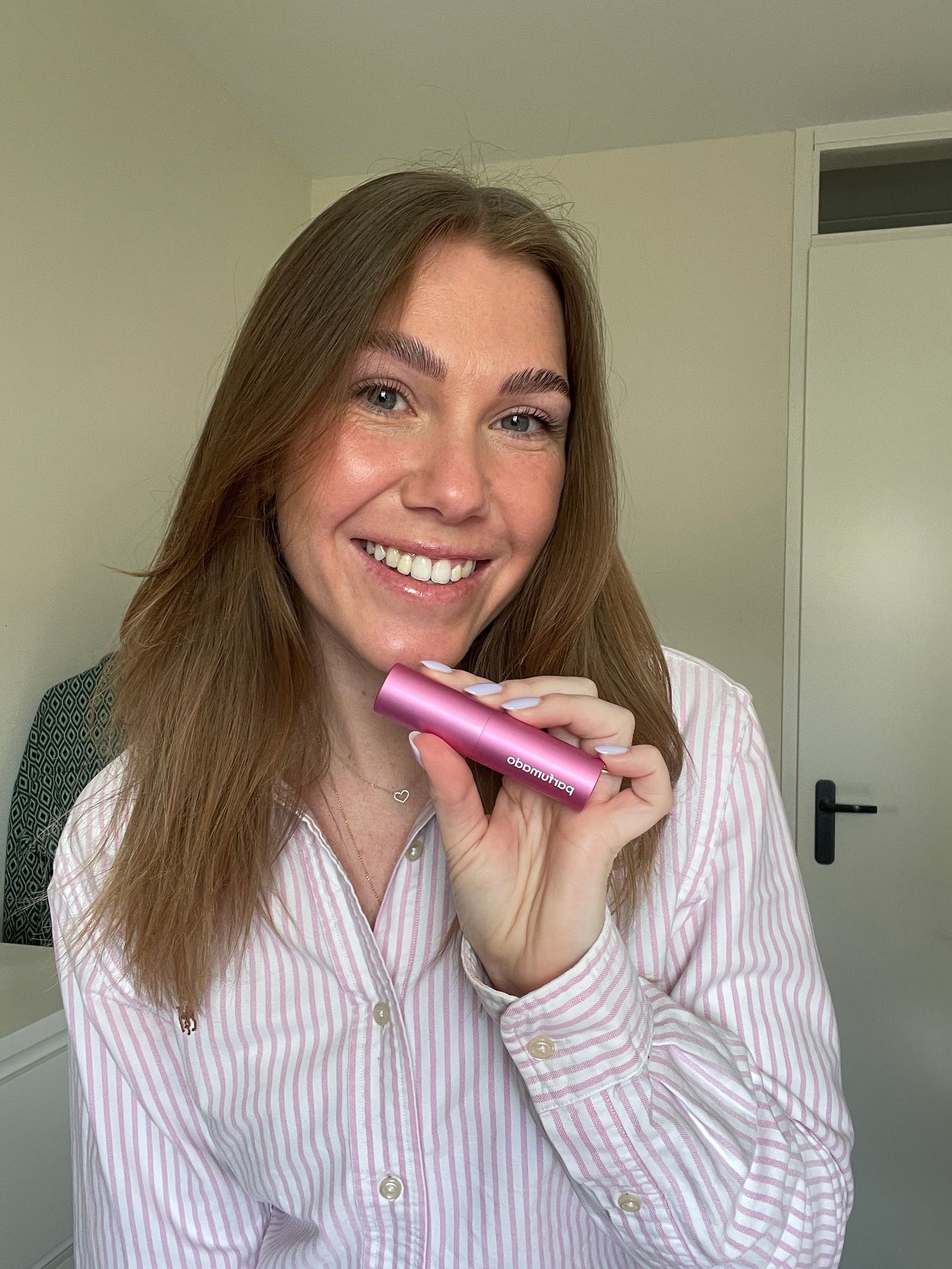
Case in point. Parfumado needed to cut customer acquisition costs while scaling their influencer program across multiple channels. With The Cirqle’s platform, they saw immediate impact - seamlessly onboarding creators, launching paid partnership ads, and automating every workflow. The outcome speaks for itself: a 20% reduction in CPA within the first month, all while achieving 560,000 impressions and 2,000 clicks. The Cirqle’s infrastructure let Parfumado ramp spend and broaden reach without stretching internal resources. This is what scalable influencer execution looks like - measurable impact, right out of the gate.
Case in point. Outfittery overhauled their acquisition engine by running partnership ads alongside their standard campaigns. The Cirqle’s automation platform enabled seamless execution at scale, combining performance data with creator content to drive efficiency. The outcome: partnership ads drove an 11.33% lift in click-through rate, a 29.46% drop in cost per click, and (most decisively) 73% lower cost per acquisition compared to business as usual. For ecommerce brands serious about unlocking profitable scale, this is how creator-driven automation delivers compounding results - repeatable, attributable, and measurable across every campaign.

Ads Creation with Influencers instantly turns creator content into high-performance ads ready to deploy across every platform. Forget about manual asset collection and editing. Launch ads in one click, generate AI-driven caption variations, and track performance in real time. Learn how it works and unlock new velocity for your paid social campaigns with The Cirqle.

Manual influencer campaign management is a relic. The most progressive brands used to patch together spreadsheets, emails, and frazzled team calls to run just a handful of creators. The problem: as soon as a brand tastes measurable ROI from influencer, the real bottleneck becomes clear - humans can’t scale the process. Top growth teams now know: if you’re not automating, you’re capping your brand’s upside.
Let’s get concrete. A leading beauty DTC started with two marketers manually wrangling collaboration requests, contracts, and payments for about 15 creators per launch. Results were promising, but their growth ambitions outstripped capacity. Enter The Cirqle’s automation. Within two quarters of deploying our enterprise-grade platform, they were executing simultaneous quarterly campaigns with over 300 creators - no headcount added, just software precision. The output? Cost per acquisition dropped by double digits, and speed-to-market improved threefold. Crucially, automation unlocked creative throughput: by templating briefing and feedback loops, their team launched diverse, highly customized campaigns that still felt cohesive to consumers. That’s what powers multi-channel scale.
A global apparel brand offers another lens. Previously, influencer marketing was a drag on resources - every contract, shipping arrangement, and reporting cycle required manual oversight. Post-automation with The Cirqle, they standardized every workflow, from creator onboarding to performance tracking. These repeatable playbooks allowed them to shift from sporadic, one-off partnerships to always-on, ROI-driven creator programs. Their leadership credits automation with transforming influencers from “a PR tactic” to “a growth engine.” Insertion of actual outcome: cost efficiency, campaign frequency, and direct attribution all improved markedly.
Here’s the real takeaway: automation isn’t just a nice-to-have. It’s the linchpin of the growth flywheel. When manual workflows are out, creative experimentation and scale are in. The Cirqle’s partners see this impact firsthand - repeatable results, predictable ROI, and velocity that manual teams can’t touch. If your influencer spend isn’t automated, your competition’s already moving faster.
Most brands are flying blind when it comes to influencer operations. The first step is a brutal audit: diagram every process from scout to payment. Where are teams wasting time? Which steps create bottlenecks or data silos? Strip back to see redundancies, handoffs, and tech seams. This daylight into your ops exposes the hidden cost centers and manual fire drills that don’t scale.
Cut ruthlessly. Now stack-rank automation opportunities - not by what’s trendy, but by direct business impact. Can you automate briefs to creators? Can reporting, contracting, and payments become touchless? Prioritize based on which shifts free up your team for revenue-driving work and accelerate campaign cycle times. The dirty secret: workflow automation drives ROI. Most brands over-index on influencer selection tools, but underinvest in workflow and integration. Don’t fall for that trap.
For architecture, lock in systems that are performance-built and API-centric. The right infrastructure doesn’t just automate emails; it turns creators into a measurable, repeatable acquisition channel. Choose platforms designed for interoperability with your ecommerce stack and existing growth tooling. This is non-negotiable. Avoid patchwork solutions - today’s workflow hack is tomorrow’s scale bottleneck.
Don’t try to microwave success. Launch a pilot on a single campaign or creator cohort. Measure everything: setup time slashed, errors down, attribution clean, payouts seamless. Refine relentlessly. The pilot is your proof - make it airtight before expanding. This “win small, scale fast” playbook beats the vanity launch every time.
Start narrow but architect for breadth from day one. Every tool, template, and process should align with your long-term vision of influencer as an acquisition engine, not a side bet. The right automated foundation today makes doubling your program tomorrow a matter of flipping a switch, not hiring another coordinator. Fortune favors the operationally prepared.
Give your team the power and speed they need to find the right partners and grow your brand.
%201.avif)